Aligning Indian Knowledge Systems (IKS) with the ECCE Ecosystem
Through the Community of Suchona Sishu Siksha Kendra
The Indian Knowledge System (IKS) offers a timeless, holistic understanding of childhood—where learning is joyful, values-driven, experiential, and rooted in nature and community. The Early Childhood Care and Education (ECCE) ecosystem, especially under NEP 2020, finds a natural ally in IKS. Suchona Sishu Siksha Kendra (SSK) acts as a living bridge that translates this ancient wisdom into contemporary, developmentally appropriate ECCE practices.
IKS as the Philosophical Foundation of ECCE
IKS views early childhood as the phase of Samskara—the formation of values, habits, and character. SSK aligns this philosophy with ECCE by nurturing:
- Emotional security and social bonding
- Respect for diversity and coexistence
- Curiosity-driven and play-based learning
This ensures that learning goes beyond alphabets and numbers to include empathy, resilience, and self-awareness.
Curriculum Integration: Learning Through Culture
SSK embeds IKS seamlessly into ECCE curriculum frameworks through:
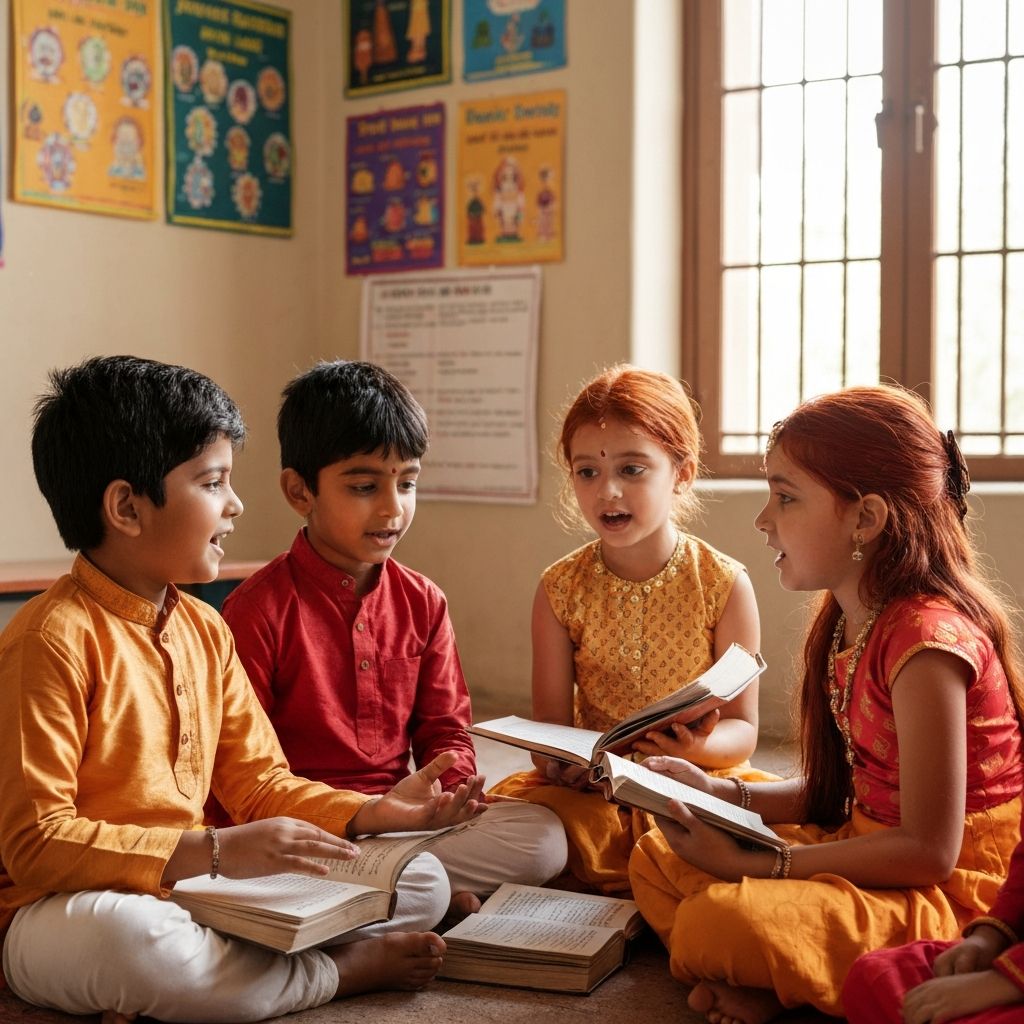
Storytelling Traditions
Panchatantra, Jataka tales, folk stories to build moral reasoning and language skills
Indian Rhymes and Music
Enhance phonetic awareness and rhythm
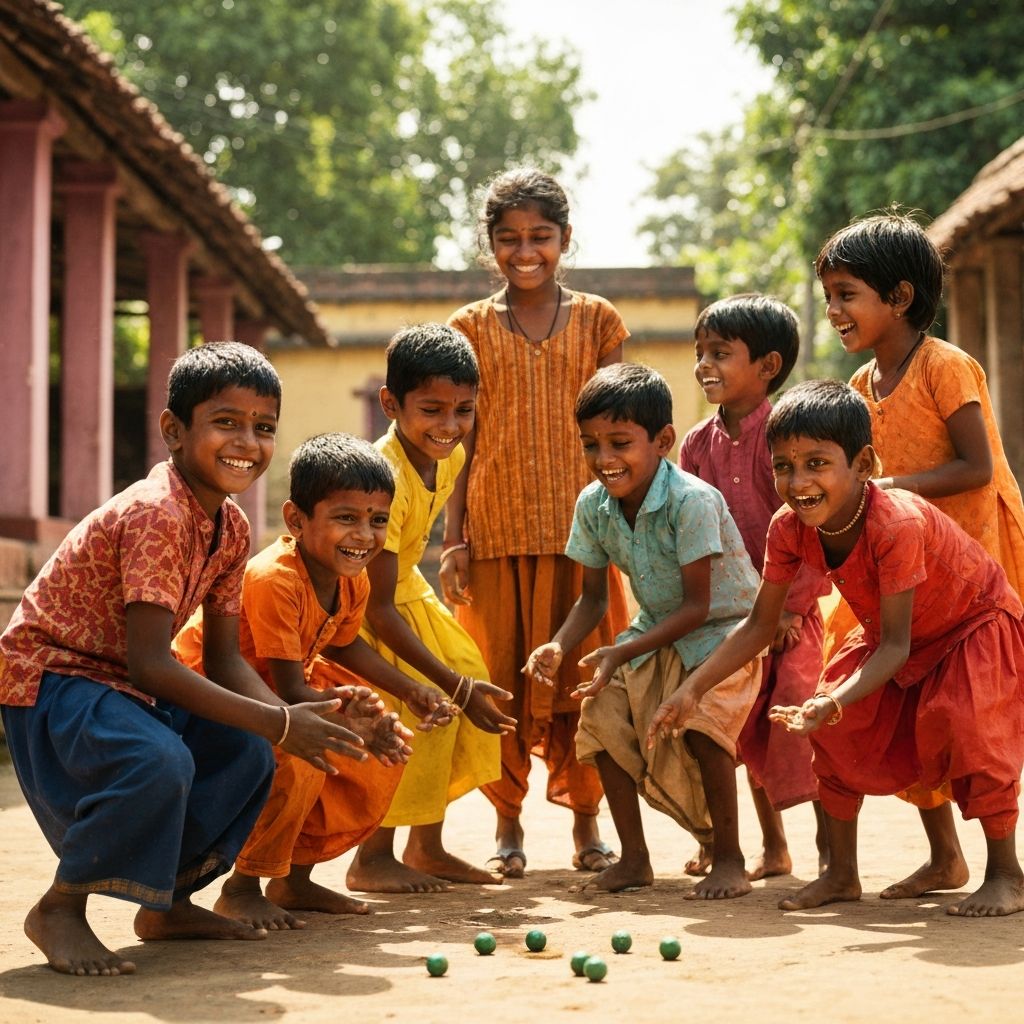
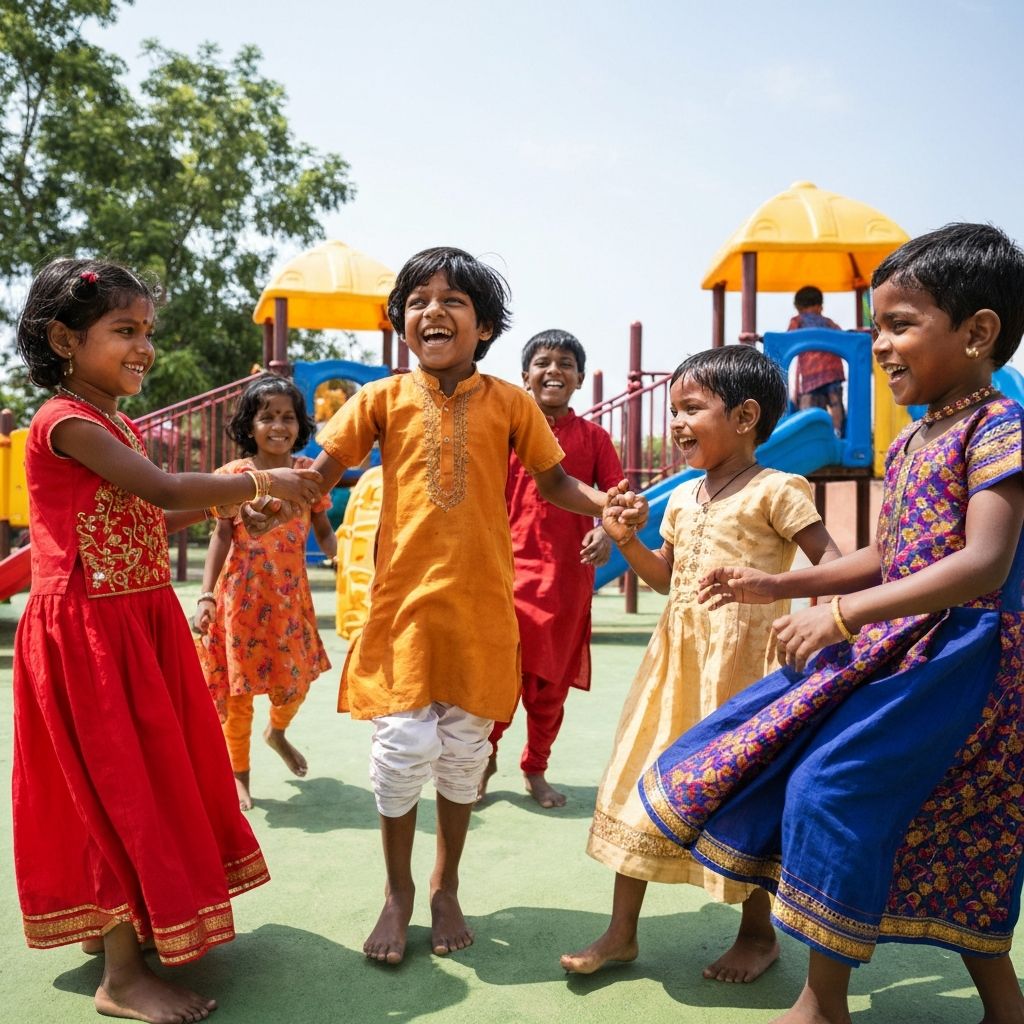
Traditional Games
Kho-Kho patterns, local circle games to develop motor skills and teamwork
Art Forms
Rangoli, clay modeling, nature art to encourage creativity and sensory learning
All activities are age-appropriate and aligned with NEP's play-based pedagogy.
Teacher Capacity Building through IKS Lens
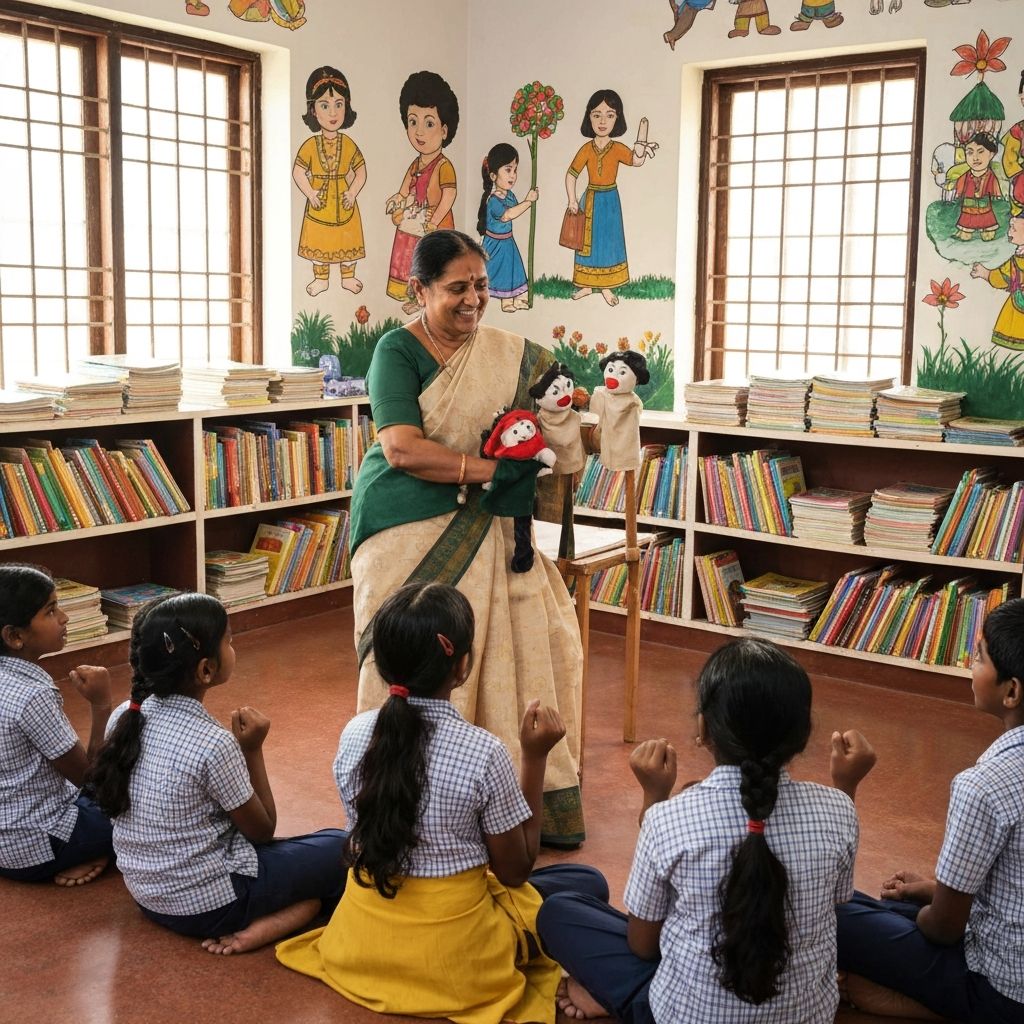
SSK's community-based approach empowers ECCE educators to become cultural custodians. Teacher training modules emphasize:
- Understanding child development through Indian psychology (Manas, Buddhi, Sanskara)
- Classroom practices rooted in mindfulness, compassion, and reflective teaching
- Using local cultural resources as teaching-learning material
This builds confident facilitators who teach with purpose, not just pedagogy.

Community as the Living Classroom
IKS thrives in communities, not just classrooms. SSK activates parents, caregivers, and local elders by:
- Encouraging intergenerational storytelling and shared rituals
- Celebrating Indian festivals as learning moments, not events
- Promoting mother-tongue instruction and local context
This creates continuity between home, school, and society—critical for early childhood development.
Measuring Impact the Indian Way
SSK aligns modern assessment with IKS by focusing on:
- Observable behavioral change
- Social-emotional growth
- School readiness and life skills
Rather than rote outcomes, the emphasis is on holistic child well-being and joyful learning.
Conclusion
Through Suchona Sishu Siksha Kendra, Indian Knowledge Systems are not treated as history—but as living wisdom shaping the future of ECCE. By blending tradition with modern frameworks, SSK is nurturing a generation of children who are rooted, confident, compassionate, and future-ready.
IKS in ECCE is not about going back in time—it is about moving forward with depth and dignity.